“If I should die, think only this of me:
That there’s some corner of a foreign field
That is for ever England.” Rupert Brooks
When I was a young girl growing up in England, my grandparents retired to the Cotswolds near Chipping Camden, and so for me, began a love affair with a part of the UK that always calls me back. In fact, their home—a chocolate-box thatched roof cottage, which I believe at one point in around the 14th Century, was the local alehouse – was called Wold Cottage. (Wold means hill). As a nod to all of that, I have named my home in Northern California, Wold Farm, not least because it sits atop a little hill.
On my recent visit back to the UK, I made plans to attend Badminton Horse Trials in Wiltshire, which is one of the world’s elite fixtures on the eventing calendar. If you know me at all, you’ll know that I own two horses and compete as an eventer at an amateur level. I find it thrilling that Badminton attracts 200,000 visitors on cross country day. 200,000!! This is one of the largest sporting events in the world. Back in the US, most people haven’t even heard of eventing.

But I digress, the location of the event meant that I was able to stay in an Airbnb in Laurie Lee country – in particular in a little village called South Woodchester, just outside of Stroud. For the uninitiated, Laurie Lee was a British author and poet who wrote Cider With Rosie in 1959 about his life growing up in the Cotswolds during and after the First World War. (There are two more books in the trilogy: As I Walked Out One Midsummer Morning, and A Moment of War.)
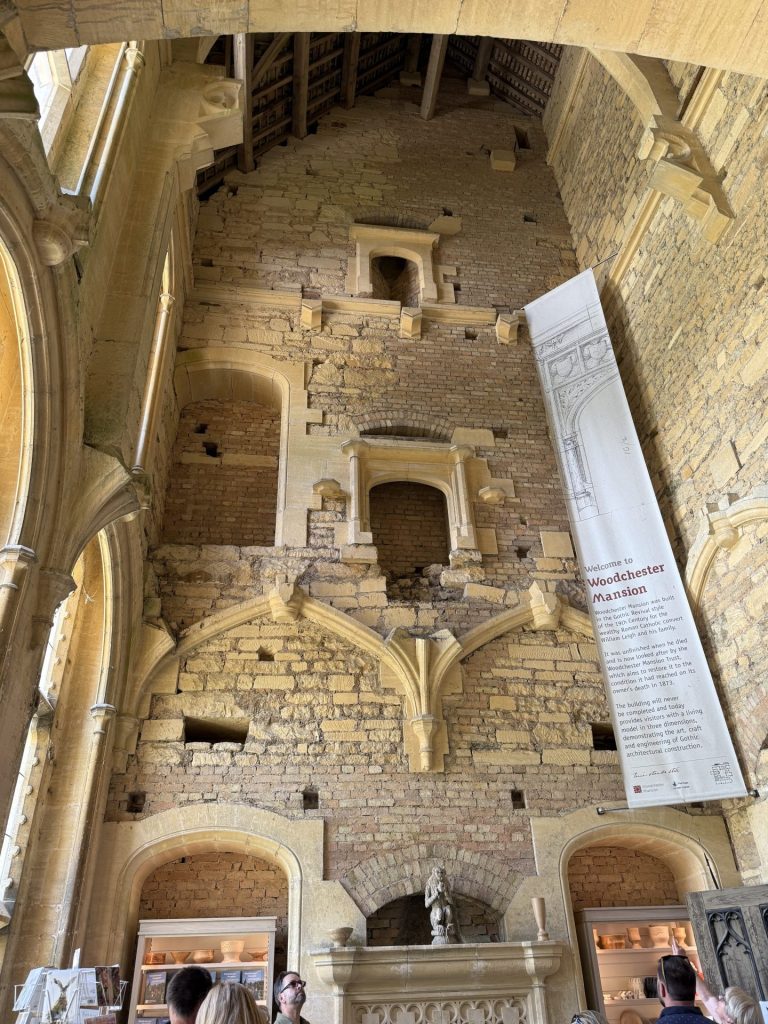
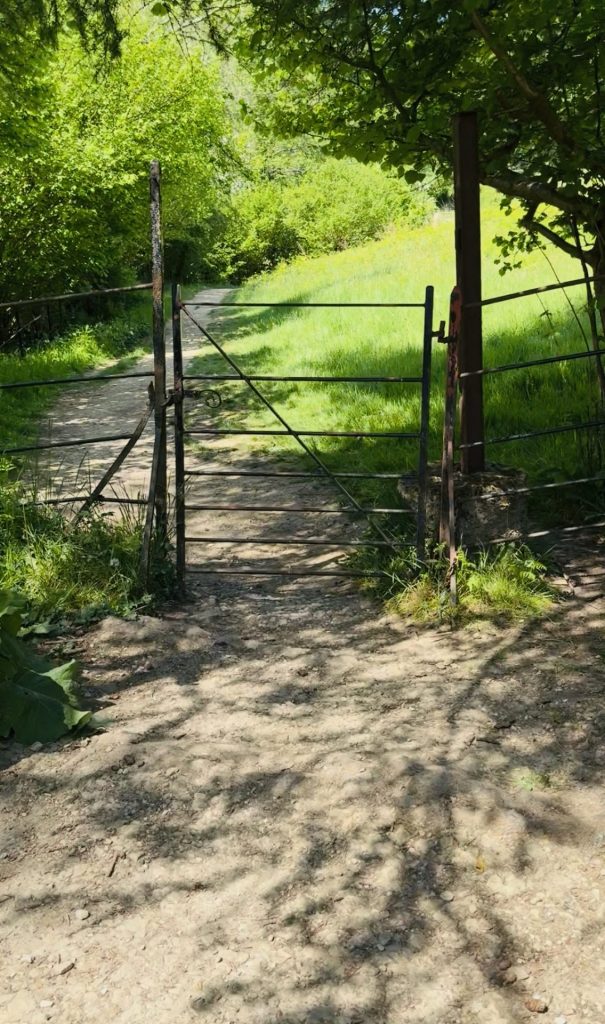
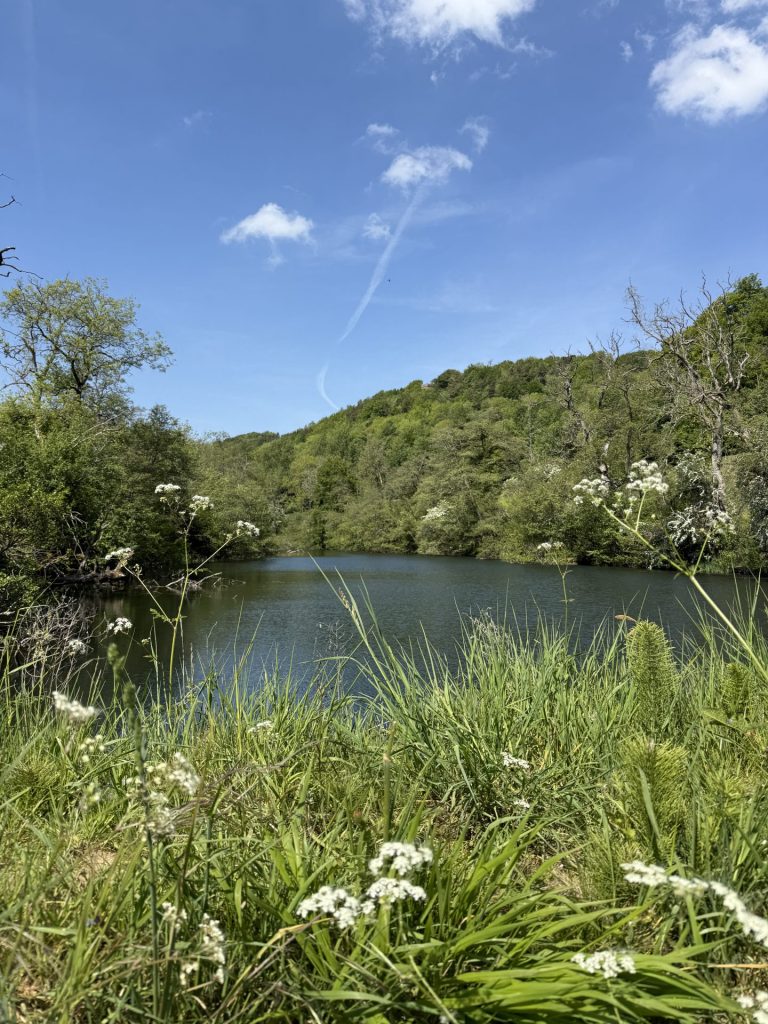
I was in the area with family, and it was all too brief, but we packed in as much as we could. We stumbled across a wonderful National Trust property called Woodchester Mansion, and went on a really long walk that took us up and down hills, through woods, across fields, out by a boating lake, and then to the mansion itself, which was never completed, but in any case, is a gorgeous monument to another time. It was easy to imagine that I was walking through the set of a Merchant Ivory film, and that at any moment a young Helena Bonham Carter or Colin Firth, might appear in full period costume. Sadly, this did not happen.


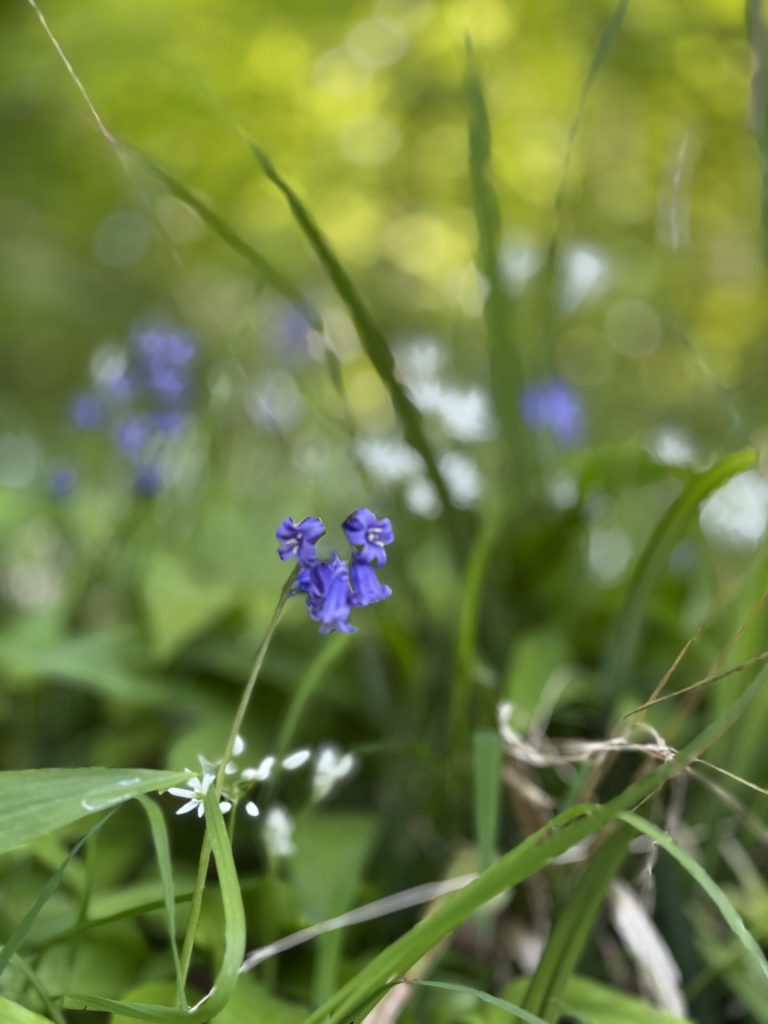
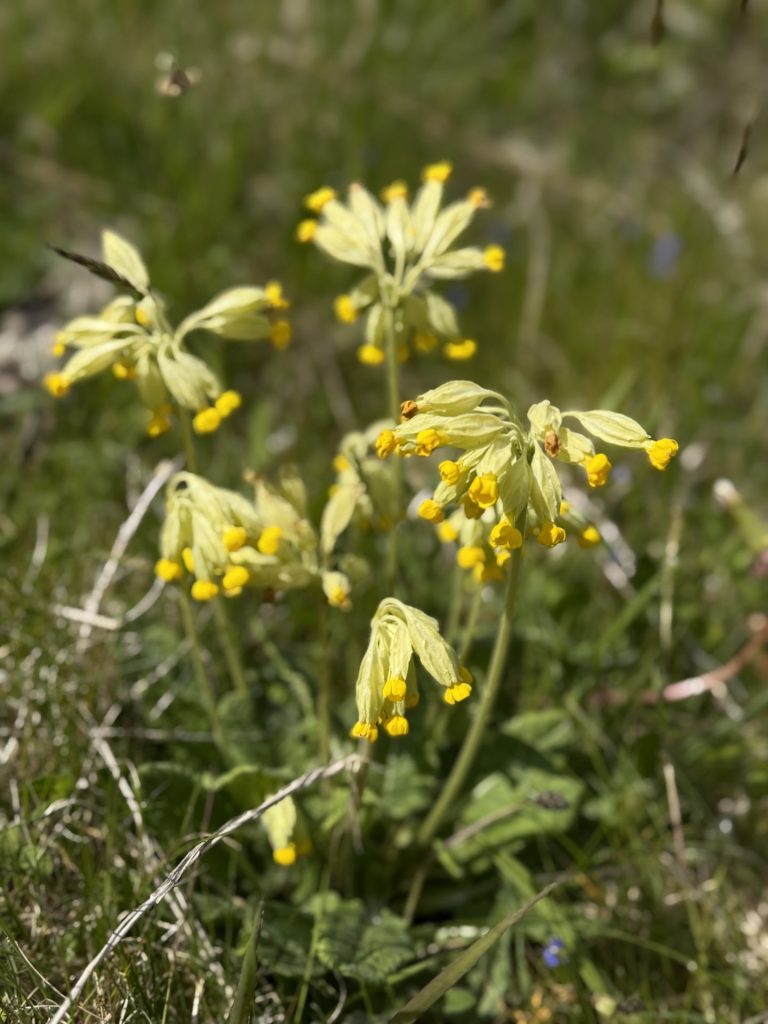
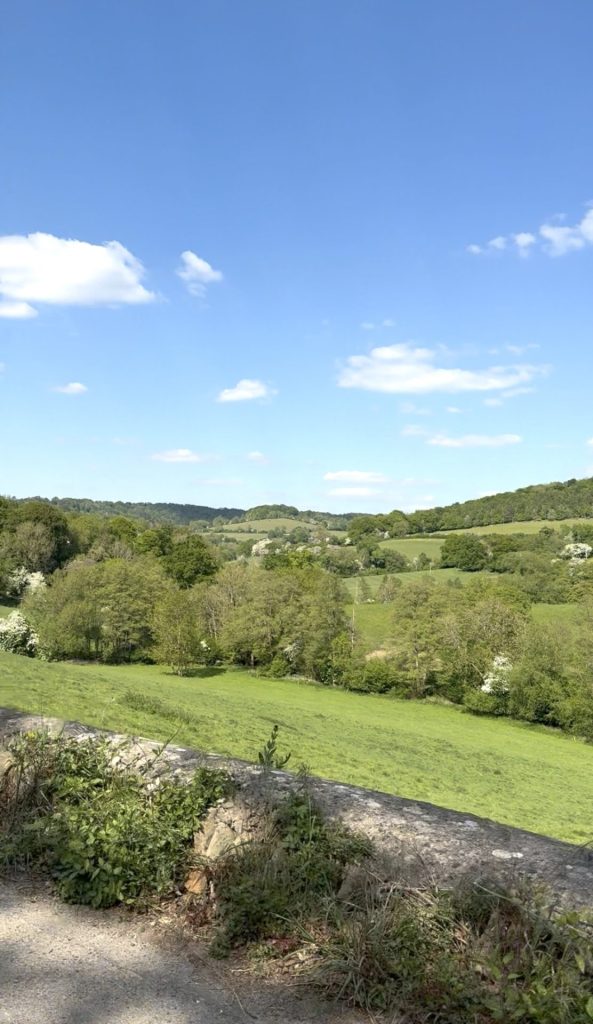
In my opinion, May is the best time of year to visit the UK, assuming you can catch the weather just right. The countryside explodes with a pent-up energy and vivaciousness that tells of a long, dark winter which has only recently drawn to a close. Wild bluebells. Cowslips. Wild Garlic. Lush green grass everywhere. Centuries-old majestic chestnut and lime trees casting their shade for sheep and cows to rest under. The remnants of wrought iron gates and abandoned boat houses make you wish you had lived in the monied classes 100 years ago, and could lazily drift in a row boat under a parasol, with only a book to pass the time until the dinner gong alerted you that it was time to head back inside.
It’s truly spectacular and I can’t think of another place on earth that looks and feels like this. After our longer than anticipated walk—that involved more uphill climbs than we were truly prepared for—we were thirsty and hungry. It turns out the Woolpack Inn in Slad, a haunt of Laurie Lee’s that features in his famous novel, Cider with Rosie, was just about 20 minutes away, and despite it being 2pm was still serving lunch.
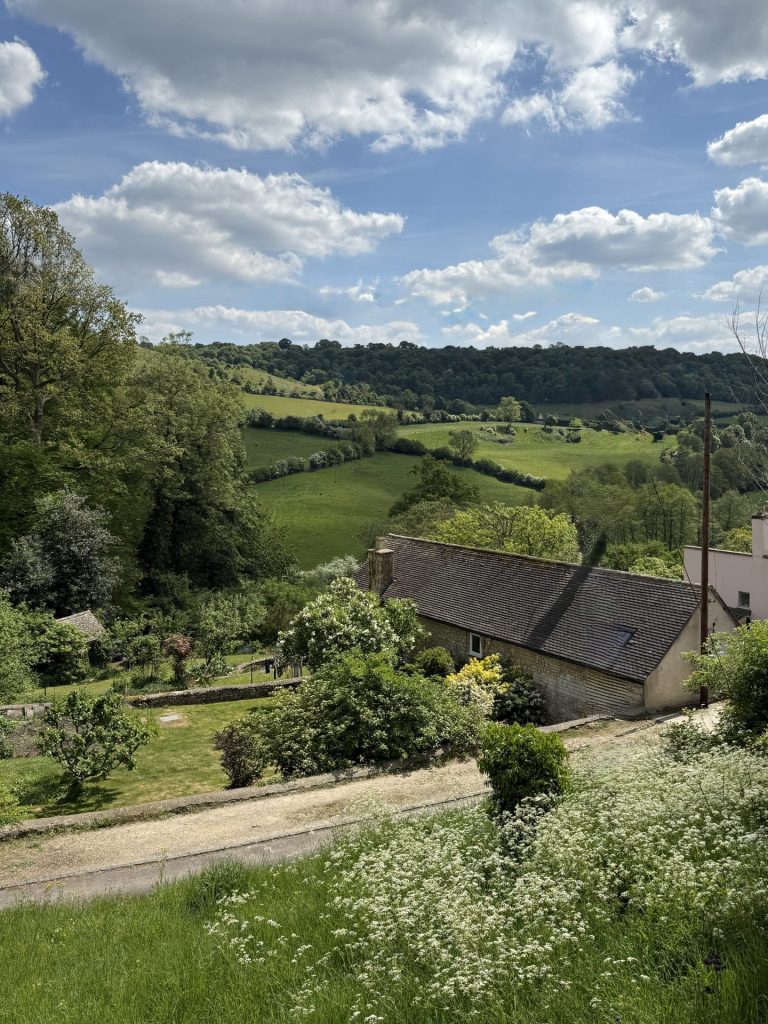
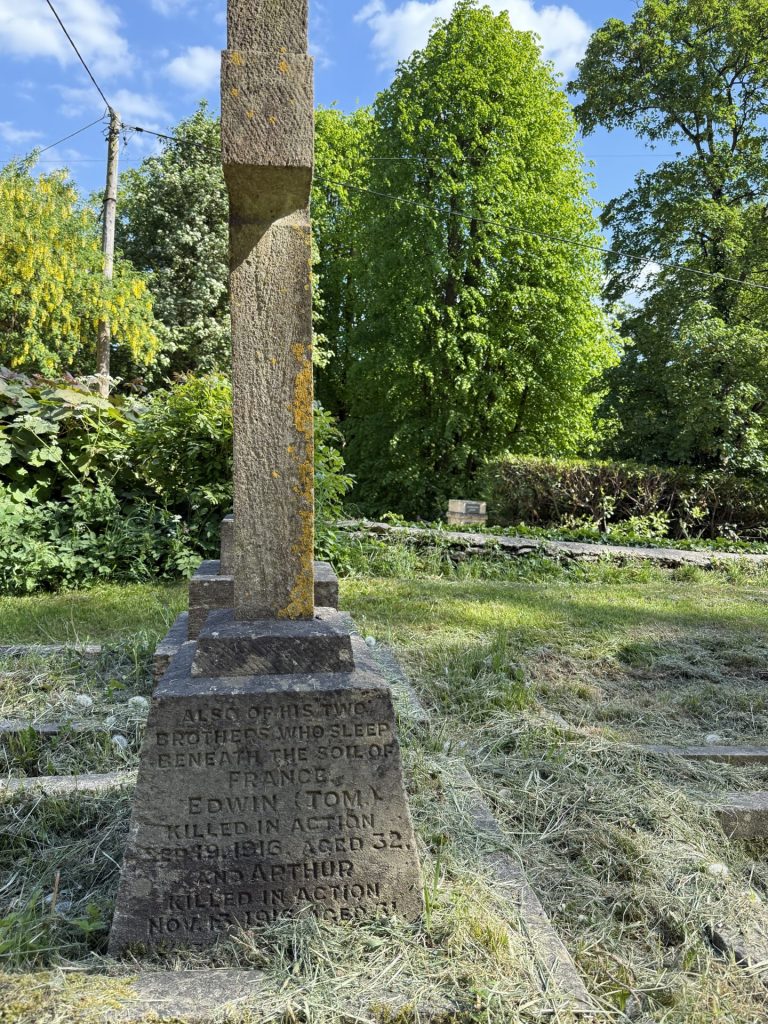
So we wound our way through ever-narrowing roads – which by the way, were never built with today’s SUVs in mind and often involve playing a bold game of chicken when you see another car approaching you. Then suddenly, jaw-droopingly, the wooded lanes end to reveal a stunning green valley. Dotted here and there through the valley are picturesque yellow stone cottages, built for smaller people with smaller furniture, if you were to venture a guess. Handmade walls, made from Cotswold stone, subdivide the land. Vegetable patches. The odd fruit tree. Laundry hanging out to dry. Churches with graveyards and tombstones telling of sons lost in the First World War, mothers dying too young, and occasionally, someone living well in to their 80s in the early 20th century. My memory is dim, but I recollect Lee writing about an old lady (a crone), who lived in the village and terrified them all.
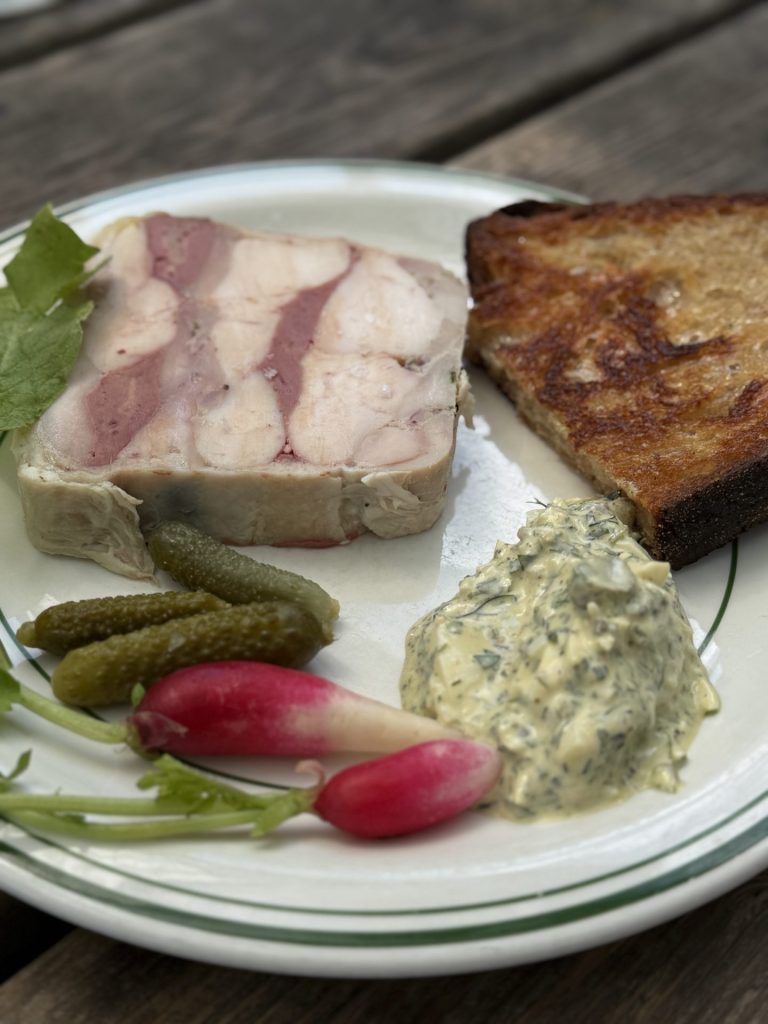
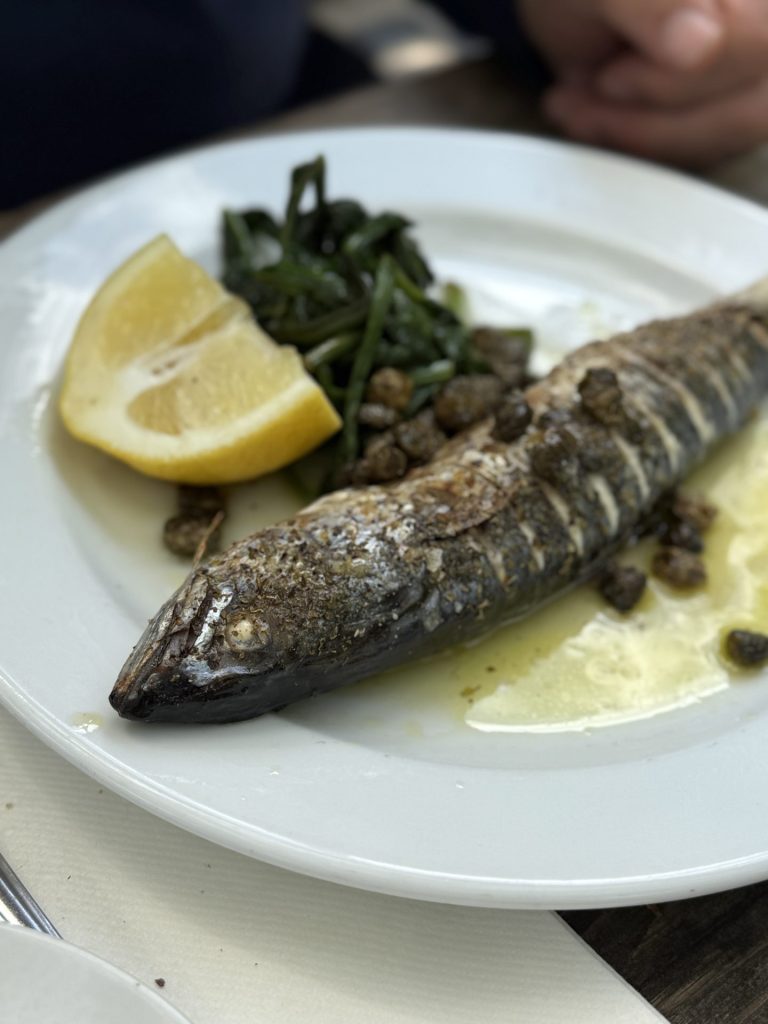
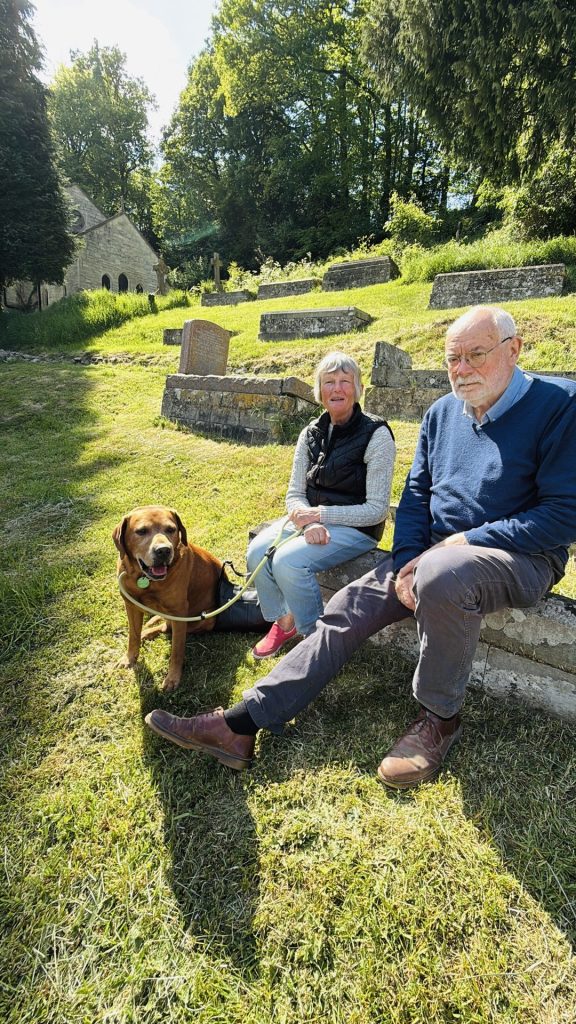
And then the Woolpack Inn itself. We had a canine companion, and it was a gorgeous sunny day, so we sat outside on a vine-canopied terrace overlooking the valley. A true slice of heaven. The food was delicious with much of it grown locally at the owner’s property. My mum and I worked our way through a hearty chicken and liver terrine; globe artichoke with a wonderful thick vinaigrette; a cheeseburger served in a brioche bun (the burger itself did need a bit more seasoning); and my stepfather ate mackerel, which certainly looked pretty on the plate.



While the dessert menu looked intriguing, we were stuffed and ready for naps after our adventures of the day. We ambled out into the village to take a look at Holy Trinity church and its graveyard, sitting atop a tombstone for a moment to take it all in. Here, you get the sense of a deep history. Of lives that left a mark while leaving room for the next generation to come in and make their mark too. It’s changed a little, but not all that much.
If you want to visit, I urge you to read, or re-read, Lee’s writings. I wish I had planned ahead and done just that, but I have picked up Cider with Rosie on my return home so I can be transported back in time and place.



I have a copy of Cider With Rosie! You’ve prompted me to reread. Sumptuous story Alice! Thanks for transporting me on the page!
I can’t find my copy!! But I am going to keep looking. I studied it for English O’level so I think my copy is full of underlines and notes!